
Sushi
Sushi, a staple of Japanese cuisine, is far more than just food; it embodies a rich tapestry of history, craftsmanship, and cultural significance. Originating over a thousand years ago, sushi evolved from a preservation method for fish using fermented rice to a global culinary phenomenon cherished for its freshness and artistry. The earliest form, known as narezushi, dates back to the 8th century, where fish was preserved in fermented rice. This method gradually developed into sezahushi, where the rice and fish are consumed together. By the Edo period (1603-1868), sushi emerged as a popular dish among the masses in Tokyo, then known as Edo, reflecting not just culinary innovation but also the sociocultural dynamics of the time.
Today, various types of sushi delight palates worldwide, including nigiri, hand-formed sushi rice topped with a slice of fish; maki, rolled sushi often wrapped in seaweed with vibrant fillings; sashimi, thinly sliced raw fish served without rice; and temaki, hand rolls filled with ingredients and wrapped in seaweed. The meticulous craft of sushi making is an art form in itself. Sushi chefs, known as itamae, train for years to perfect their skills, mastering techniques and understanding the nuances of ingredients, fish selection, and rice preparation, as the rice must be of the right texture and taste to complement the fish. Sushi serves as a window into Japanese culture—a symbol of harmony and seasonality.
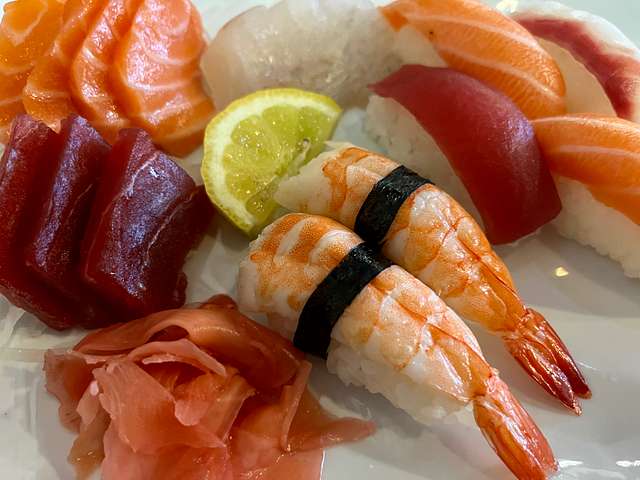
Sushi serves as a window into Japanese culture, a symbol of harmony and seasonality. It reflects the principle of omotenashi, where chefs anticipate the needs and preferences of their guests. Seasonal ingredients are celebrated, emphasizing freshness and quality, while traditional sushi bars encourage a communal experience, where patrons engage with chefs, enhancing the cultural connection between food and those who create it. The global proliferation of sushi has led to various interpretations and adaptations. In places like the United States, fusion varieties such as the California roll have emerged, combining local tastes with traditional components, highlighting the evolving nature of cuisine and its ability to bridge cultural gaps.
Understanding sushi etiquette enriches the dining experience: traditionally, sushi is enjoyed with the fingers rather than chopsticks, and soy sauce should be applied sparingly, ideally to the fish rather than the rice, to maintain the right balance. It’s also customary to express appreciation to the chef with a nod or a verbal thank you. Sushi is thus more than just a dish; it is a celebration of Japanese heritage, artistry, and culinary excellence, inviting diners to explore textures, flavors, and cultural narratives that span centuries. When experiencing sushi, one partakes in a global conversation about food, identity, and creativity, making it a truly universal delight.